
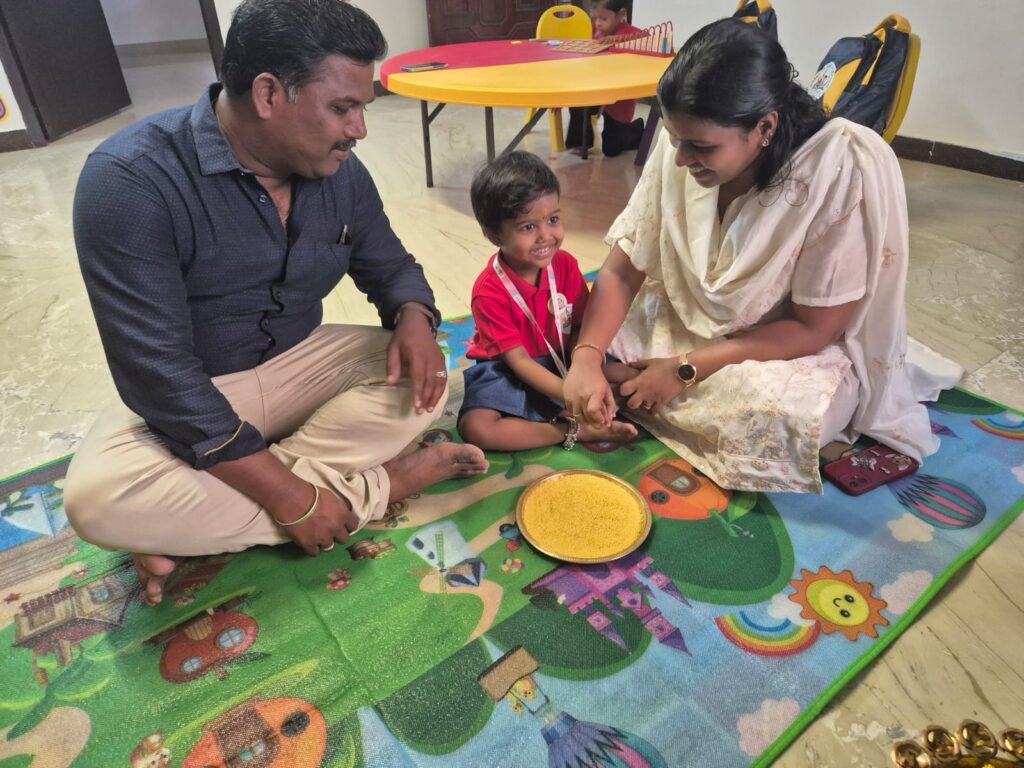
One of the most common questions parents ask is: When is the right age for my child to start preschool? Early childhood education plays a crucial role in shaping a child’s social, emotional, cognitive, and communication skills, but beginning at the right time can significantly impact how comfortably and successfully your child adapts.
Every child develops differently, and there is no one-size-fits-all answer. However, understanding developmental readiness, preschool structures, and educational stages can help parents make confident decisions.
Starting preschool at the appropriate age ensures children gain foundational learning, independence, and confidence in a supportive environment while avoiding unnecessary pressure.
Understanding Preschool Stages and Developmental Readiness
Preschool is designed to introduce children to structured learning through fun, interaction, and exploration. Rather than focusing solely on academics, preschool emphasizes communication, socialization, creativity, and independence.
The right starting age often depends on your child’s:
- Communication ability
- Social interaction
- Emotional maturity
- Physical independence
- Curiosity and learning readiness
Most children begin early preschool experiences between 2 to 3 years of age, but readiness matters more than age alone.
Ages 2 to 3: Play School Readiness
For many children, the ideal first step is joining a Play School in Salem around the age of 2 to 3 years.
At this stage, children benefit from:
- Social interaction with peers
- Basic communication development
- Routine building
- Sensory play
- Emotional confidence
Play school focuses on fun, exploration, and gentle introduction to structured environments rather than formal academics.
If your child shows curiosity, basic communication, and comfort with brief separation from parents, this can be a suitable time to begin.
Ages 3 to 4: Preschool & Pre-KG Readiness
By ages 3 to 4, children are generally more prepared for structured preschool programs.
At this stage, children can better handle:
- Group activities
- Basic instructions
- Creative tasks
- Foundational literacy and numeracy
- Classroom routines
This age often provides the best balance between developmental readiness and educational introduction.
Ages 4 to 5: Kindergarten Preparation
For children aged 4 to 5, Kindergarten in Salem programs become essential for academic readiness.
Kindergarten helps children develop:
- Reading and writing basics
- Number recognition
- Problem-solving skills
- Communication confidence
- School readiness
At this stage, children are better prepared for formal learning environments and benefit from more structured educational programs.
Factors Parents Should Consider Before Starting Preschool
Choosing the right age isn’t just about numbers — it’s about evaluating your child’s readiness and selecting the appropriate educational stage.
Emotional Readiness & Separation Comfort
A child should be reasonably comfortable spending time away from parents for short periods.
Signs of readiness include:
- Ability to engage with others
- Basic self-expression
- Comfort in new environments
- Curiosity about surroundings
Children who struggle significantly with separation may benefit from gradual introduction through play school.
Communication & Social Skills
Preschool becomes more beneficial when children can:
- Express basic needs
- Interact with peers
- Follow simple instructions
- Participate in activities
Even basic communication skills can make preschool adaptation smoother.
Physical Independence
Children should ideally have some level of:
- Toilet awareness
- Eating independence
- Basic mobility confidence
While preschools support children, some self-sufficiency helps them transition comfortably.
Family Lifestyle & Routine Needs
Working parents may consider earlier preschool or daycare integration for both educational and practical reasons.
Choosing institutions that offer:
- Preschool
- Daycare
- Play school
- Kindergarten
can create a seamless educational path for your child.
Conclusion
The right age to start preschool for kids generally falls between 2 to 4 years, depending on your child’s developmental readiness and educational needs.
- 2–3 years: Ideal for Play School
- 3–4 years: Best for Preschool / Pre-KG
- 4–5 years: Suitable for Kindergarten
Rather than focusing solely on age, parents should prioritize emotional, social, and cognitive readiness when making this decision.
Choosing the right preschool, play school, or kindergarten environment can help your child develop confidence, independence, and foundational skills that support lifelong success.
FAQs
What is the best age for a child to start preschool?
Most children begin preschool between 2 and 4 years, depending on readiness. Emotional comfort, communication skills, and social confidence are key factors.
Is 2 years too early for preschool?
Not necessarily. Many children benefit from play school at age 2 through social interaction, sensory activities, and routine building.
What is the difference between play school and kindergarten?
Play school focuses on socialization and play-based development, while kindergarten emphasizes structured academic readiness and foundational learning.
How do I know if my child is ready for preschool?
Signs include curiosity, communication ability, comfort around peers, and basic independence.
Can starting preschool too late affect development?
Delayed preschool may reduce early social exposure, routine development, and structured learning opportunities, though every child’s path is unique.