
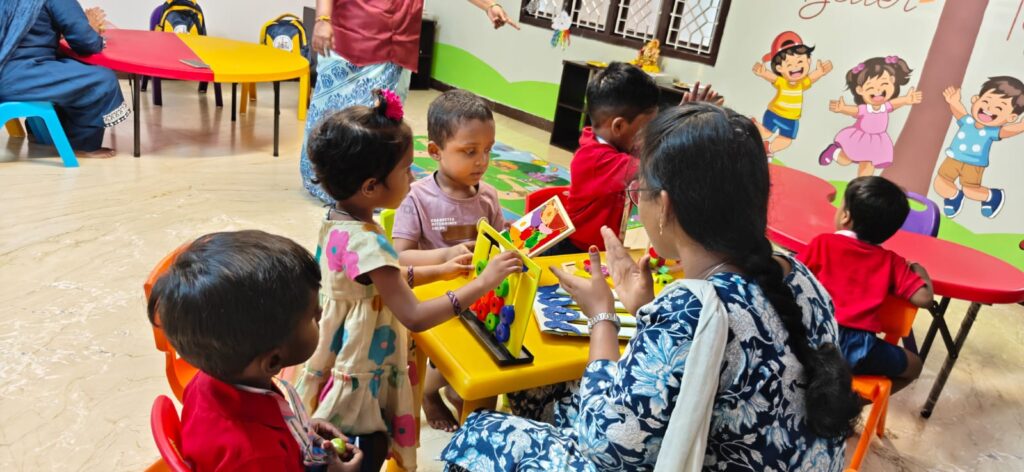
For many parents, terms like preschool and play school are often used interchangeably, creating confusion when choosing the right early education path for their child. While both focus on early childhood development, they serve different purposes, age groups, and learning goals.
Understanding the difference between a Preschool and a Play School can help parents make informed decisions based on their child’s developmental stage, readiness, and educational needs.
Choosing the right environment at the right time ensures children receive age-appropriate support that encourages social, emotional, cognitive, and academic growth.
Understanding the Purpose of Play School and Preschool
Both play school and preschool are foundational learning environments, but their focus and structure differ significantly.
A Play School is generally designed to introduce younger children to group interaction, routine, and playful exploration, while a Preschool provides more structured early education aimed at preparing children for formal schooling.
What Is a Play School?
A Play School is usually the first step in a child’s educational journey, typically for children between 2 to 3 years.
Its primary focus includes:
- Social interaction
- Emotional comfort
- Basic communication
- Sensory activities
- Creative play
- Routine building
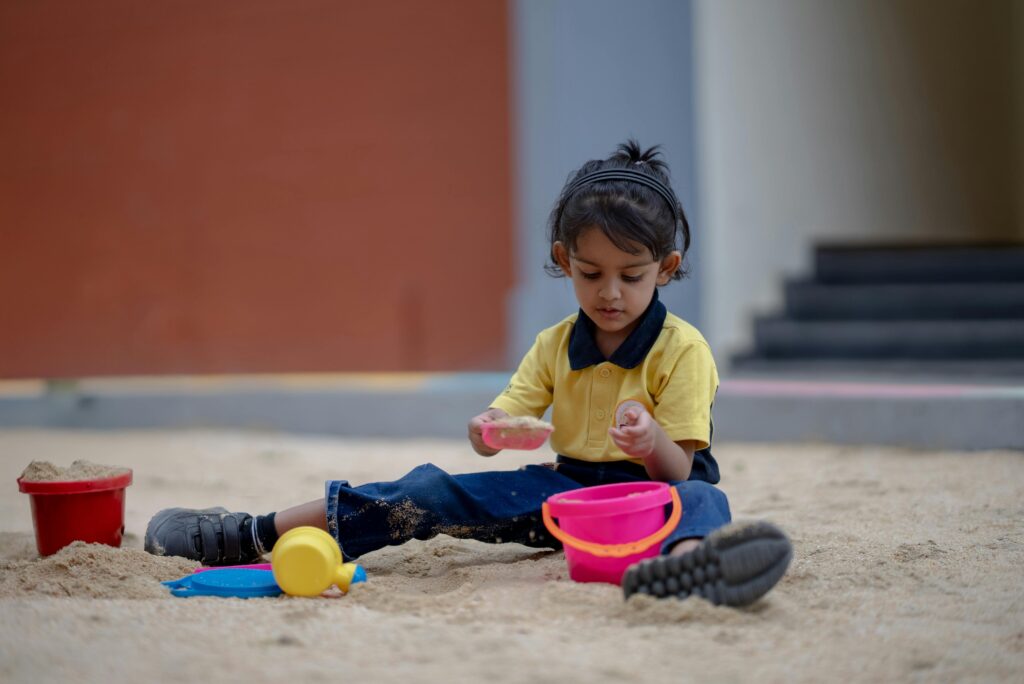
Play school emphasizes fun, engagement, and adaptation rather than formal academics. It helps children become comfortable outside their home environment while building confidence and independence.
What Is a Preschool?
A Preschool generally caters to children between 3 to 5 years, offering more structured educational experiences.
Preschool focuses on:
- Early literacy
- Basic numeracy
- Communication skills
- Cognitive development
- Problem-solving
- Social behavior
- School readiness
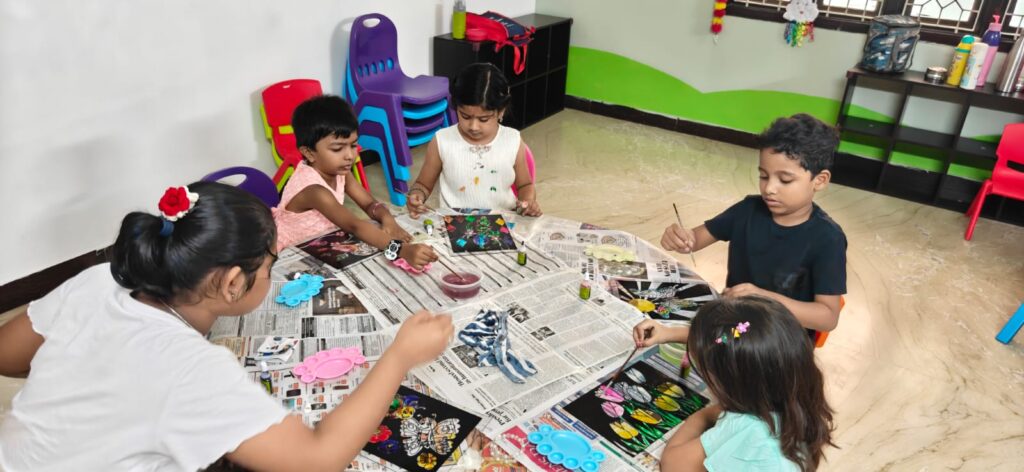
While still activity-based, preschool introduces more academic preparation alongside social and emotional development.
Key Difference in Learning Structure
Play School:
- More play-focused
- Less academic pressure
- Social comfort priority
- Flexible routines
Preschool:
- Balanced academics + play
- Structured curriculum
- School preparation
- Learning milestones
This distinction is crucial because children require different environments based on developmental readiness.
Which One Is Right for Your Child?
Choosing between play school and preschool depends on your child’s age, emotional maturity, communication ability, and readiness for structured learning.
Choose Play School If Your Child:
- Is between 2–3 years old
- Needs social exposure
- Is developing communication skills
- Requires gradual separation from parents
- Benefits from playful, low-pressure environments
Play school is ideal for introducing children to educational settings in a gentle, enjoyable way.
Choose Preschool If Your Child:
- Is between 3–5 years old
- Is ready for structured learning
- Can follow routines
- Shows curiosity about reading/writing basics
- Needs school readiness preparation
Preschool builds the academic and behavioral foundations necessary for kindergarten and primary school.
Can a Child Attend Both?
Yes, many children begin with play school before transitioning into preschool.
This progression allows children to:
- Develop social confidence first
- Adapt gradually
- Build communication skills
- Prepare academically at the right pace
This is often the most effective educational pathway.
Conclusion
The difference between Preschool and Play School lies mainly in structure, purpose, and developmental focus.
Play School:
- Best for ages 2–3
- Socialization and play-based learning
- Gentle transition into education
Preschool:
- Best for ages 3–5
- Structured academics + development
- Kindergarten readiness
Both are valuable stages in a child’s early learning journey, and the right choice depends on your child’s unique developmental needs.
By understanding these distinctions, parents can confidently choose the environment that supports their child’s growth, confidence, and future success.
FAQs
What is the main difference between preschool and play school?
Play school focuses on socialization and playful learning for younger children, while preschool provides structured educational preparation for formal schooling.
What age is suitable for play school?
Play school is typically suitable for children aged 2 to 3 years.
At what age should a child join preschool?
Preschool is generally ideal for children between 3 to 5 years.
Is preschool more academic than play school?
Yes, preschool introduces foundational literacy, numeracy, and school readiness, while play school focuses more on exploration and social skills.
Should my child attend play school before preschool?
For many children, starting with play school can ease the transition into structured preschool education.