
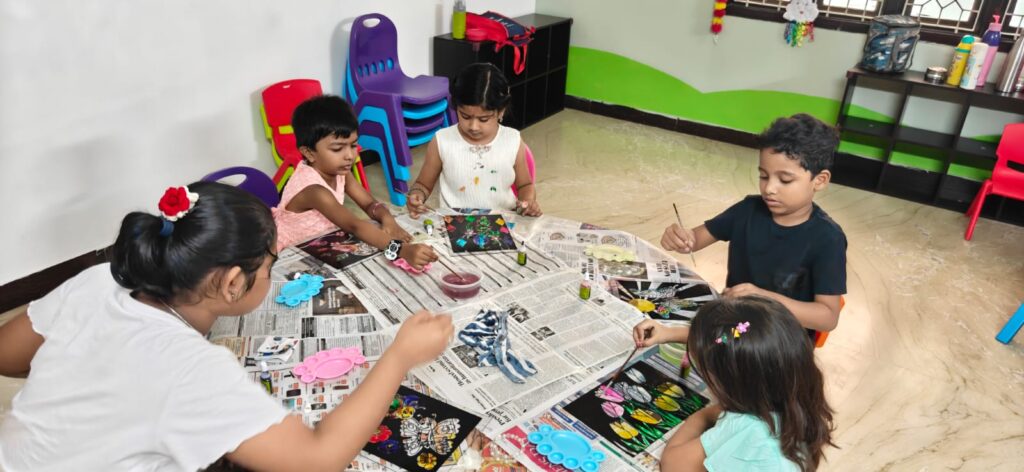
Choosing the right play school is one of the first and most important educational decisions parents make for their child. A quality play school does far more than simply occupy a child’s time — it introduces them to social interaction, communication, creativity, routine, and foundational development.
For parents searching for the best Play School in Salem, the options can sometimes feel overwhelming. Every institution may promise quality education, but selecting the right one requires deeper evaluation of safety, teaching approach, developmental focus, and overall child care standards.
The right play school should nurture your child’s emotional, cognitive, and social growth while creating a joyful and secure environment that builds confidence from the start.
Understanding What Makes a Great Play School
A play school serves as the first formal step into education for children typically between the ages of 2 to 3 years. At this stage, children are not expected to focus on academics heavily; instead, the emphasis should be on building comfort, independence, curiosity, and communication.
The best play school creates a balanced environment where learning happens naturally through activities, exploration, and interaction.
Safety, Hygiene & Child-Friendly Infrastructure
Safety should always be your first priority when selecting a play school.
Parents should evaluate:
- Secure campus access
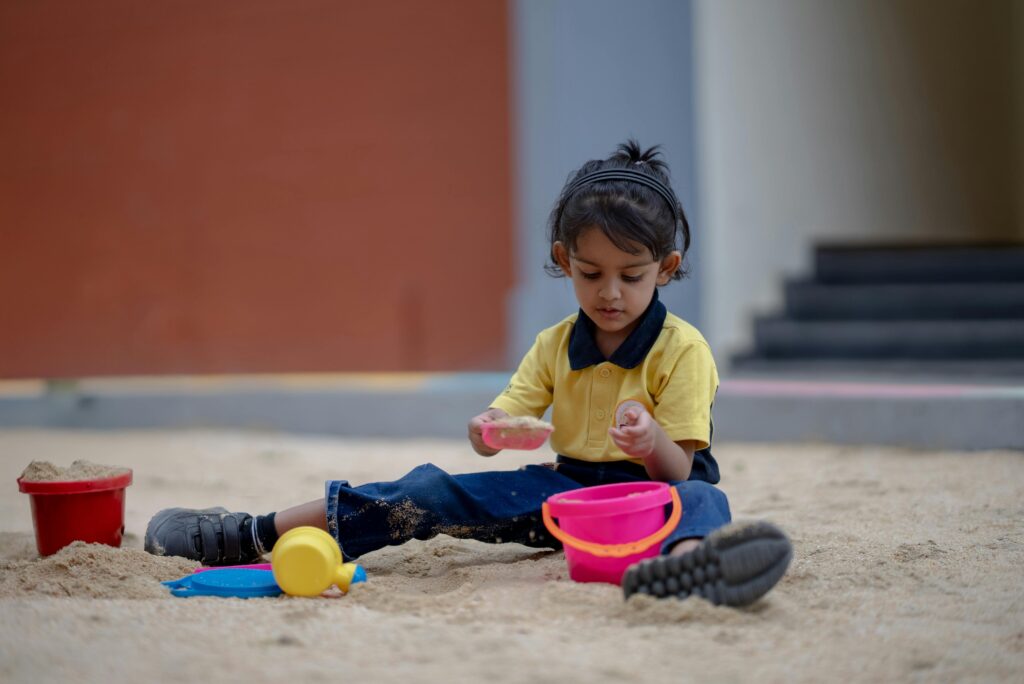
- Safe indoor and outdoor play areas
- Continuous supervision
- Clean classrooms and facilities
- Hygienic restrooms
- Sanitized toys and learning materials
A safe and nurturing environment helps children explore confidently while giving parents peace of mind.
For working parents, selecting a play school that also offers reliable Daycare in Salem can provide additional convenience and support.
Teaching Approach & Learning Methodology
Children at play school age learn best through engagement rather than academic pressure.
Look for schools that emphasize:
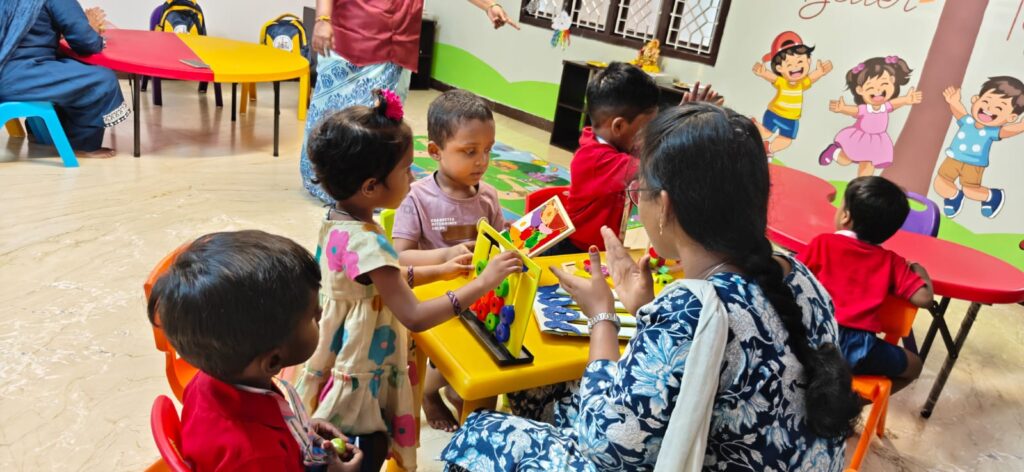
- Play-way learning
- Montessori methods
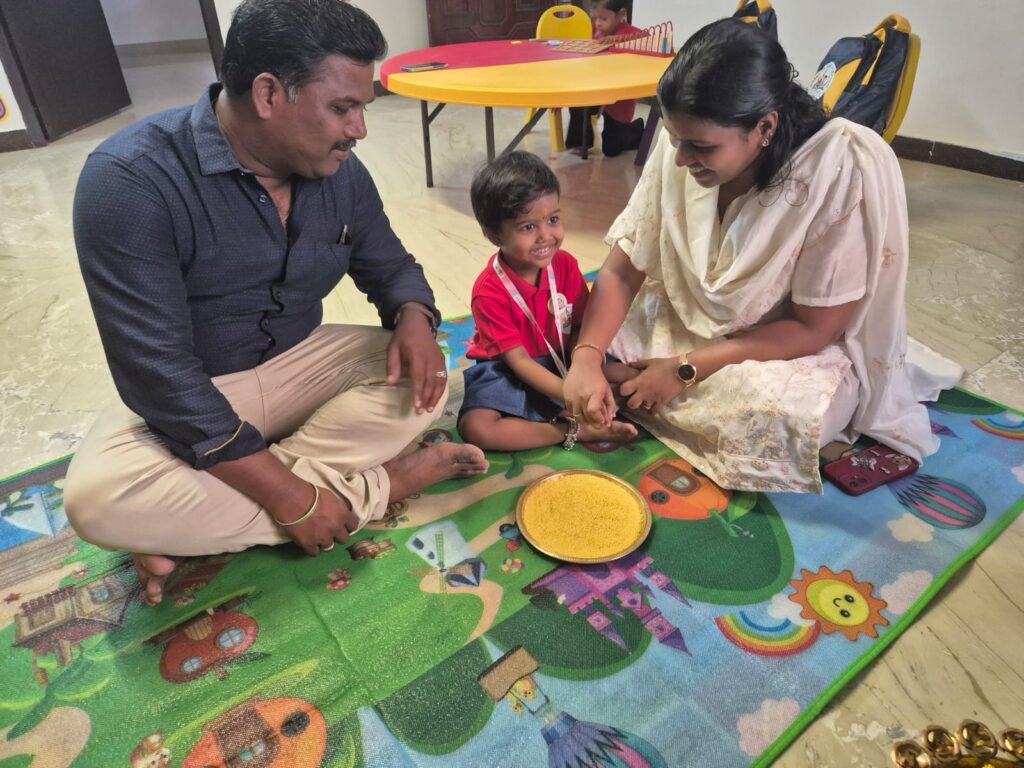
- Sensory exploration
- Creative activities
- Communication development
- Social interaction
A child-centered approach supports better emotional adjustment and natural learning.
Qualified Teachers & Emotional Support
Teachers play a vital role in early childhood development.
An ideal play school should offer:
- Experienced educators
- Compassionate caregivers
- Low child-to-teacher ratios
- Personalized attention
Children thrive when they feel emotionally safe and understood.
Important Factors Parents Should Consider Before Enrollment
Choosing the right play school involves practical assessment, not just promotional claims.
Parents should visit the campus, observe classrooms, and ask questions before making a decision.
Age-Appropriate Curriculum
A quality play school curriculum should focus on:
- Communication
- Social skills
- Emotional confidence
- Motor skill development
- Creative exploration
- Routine building
Avoid institutions that place unnecessary academic pressure too early.
Progression Path: Play School to Kindergarten
Parents should also evaluate whether the play school offers smooth progression into higher early education stages like Kindergarten in Salem.
This continuity can help children transition comfortably into structured academic learning.
Parent Communication & Transparency
Strong parent-school communication is essential.
Look for institutions that provide:
- Regular updates
- Progress tracking
- Teacher interaction
- Safety transparency
- Open communication channels
This builds trust and keeps parents actively involved.
Convenience & Accessibility
Location, timings, and service flexibility matter, especially for busy families.
Choosing a play school near your residence or workplace can simplify routines significantly.
Conclusion
Selecting the right Play School in Salem is about more than choosing the nearest option — it’s about finding an environment that supports your child’s earliest stages of growth with care, safety, and purposeful learning.
The ideal play school should offer:
- Safe infrastructure
- Caring educators
- Play-based learning
- Emotional support
- Strong developmental foundations
- Progression into daycare or kindergarten
By carefully evaluating these factors, parents can confidently choose a play school that helps their child begin their educational journey with happiness, confidence, and readiness for future success.
FAQs
What is the ideal age for play school admission?
Most children begin play school between 2 to 3 years, depending on emotional readiness and communication development.
Why is play school important for young children?
Play school helps children develop social skills, communication, emotional confidence, and independence in a structured yet playful environment.
Should I choose a play school with daycare services?
Yes, if you are a working parent, choosing a play school with daycare can provide added convenience and continuity of care.
What teaching method is best for play school?
Montessori, play-way, and activity-based learning methods are highly effective for early developmental stages.
How does play school prepare children for kindergarten?
Play school builds confidence, routine, social interaction, and foundational learning skills that support smoother kindergarten transitions.