
Choosing the right preschool is one of the most important decisions parents make during their child’s early years. A preschool is not just a place where children spend time — it plays a crucial role in shaping their emotional, social, and cognitive development.
With many options available, parents often feel confused about what truly matters. From safety to teaching methods, every detail contributes to your child’s first learning experience. Understanding the key factors will help you make a confident and informed decision that supports your child’s growth.
Understanding What Truly Matters in Early Education
Preschool is the foundation of a child’s learning journey. At this stage, children develop basic skills like communication, interaction, curiosity, and independence. Therefore, selecting a preschool should go beyond just proximity or fees.
Parents need to focus on how the environment supports learning, how children are guided, and whether the school creates a safe and engaging space. A well-chosen preschool can make the transition from home to school smooth and enjoyable for the child
Safety and Hygiene Standards
Preschool is the foundation of a child’s learning journey. At this stage, children develop basic skills like communication, interaction, curiosity, and independence. Therefore, selecting a preschool should go beyond just proximity or fees.
Parents need to focus on how the environment supports learning, how children are guided, and whether the school creates a safe and engaging space. A well-chosen preschool can make the transition from home to school smooth and enjoyable for the child
Safety should always be the top priority when choosing a preschool. Parents must ensure that the school maintains proper security measures such as controlled entry, CCTV monitoring, and trained staff.
Hygiene is equally important, especially for young children who are more vulnerable to infections. Clean classrooms, sanitized play areas, and proper restroom facilities indicate that the preschool values the well-being of children.
Teaching Methodology and Curriculum
The way a preschool teaches children has a lasting impact on their development. A good preschool follows a structured yet flexible curriculum that focuses on play-based learning, creativity, and exploration.
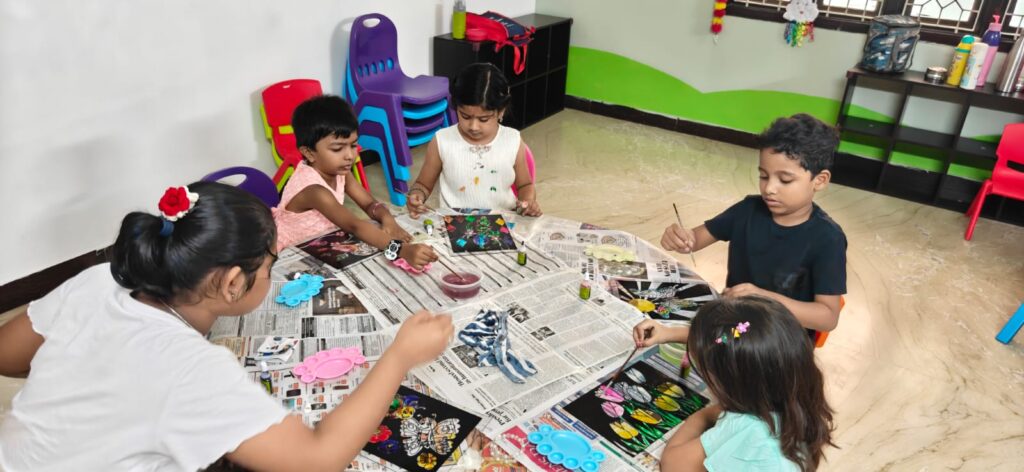
Instead of pressuring children academically, the focus should be on developing curiosity, problem-solving skills, and social interaction. Activities like storytelling, music, art, and group play help children learn naturally and enjoy the process.
Evaluating the Preschool Environment and Support System
Apart from academics, the overall environment of the preschool plays a significant role in a child’s experience. A positive atmosphere helps children feel comfortable, confident, and excited to learn.
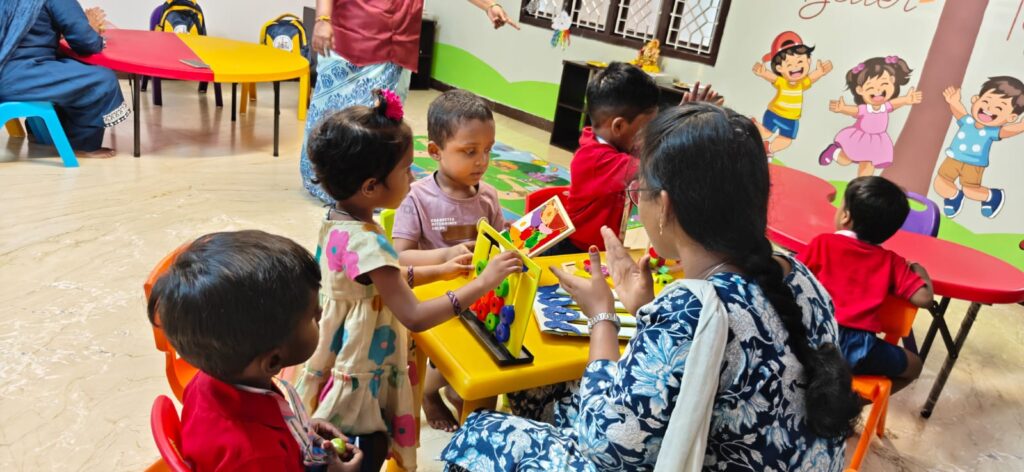
Parents should observe how teachers interact with children, how the classrooms are set up, and whether the school encourages active participation and creativity.
Teacher Experience and Child Interaction
Teachers are the backbone of any preschool. Their approach, patience, and ability to handle young children determine how effectively a child learns and adapts.
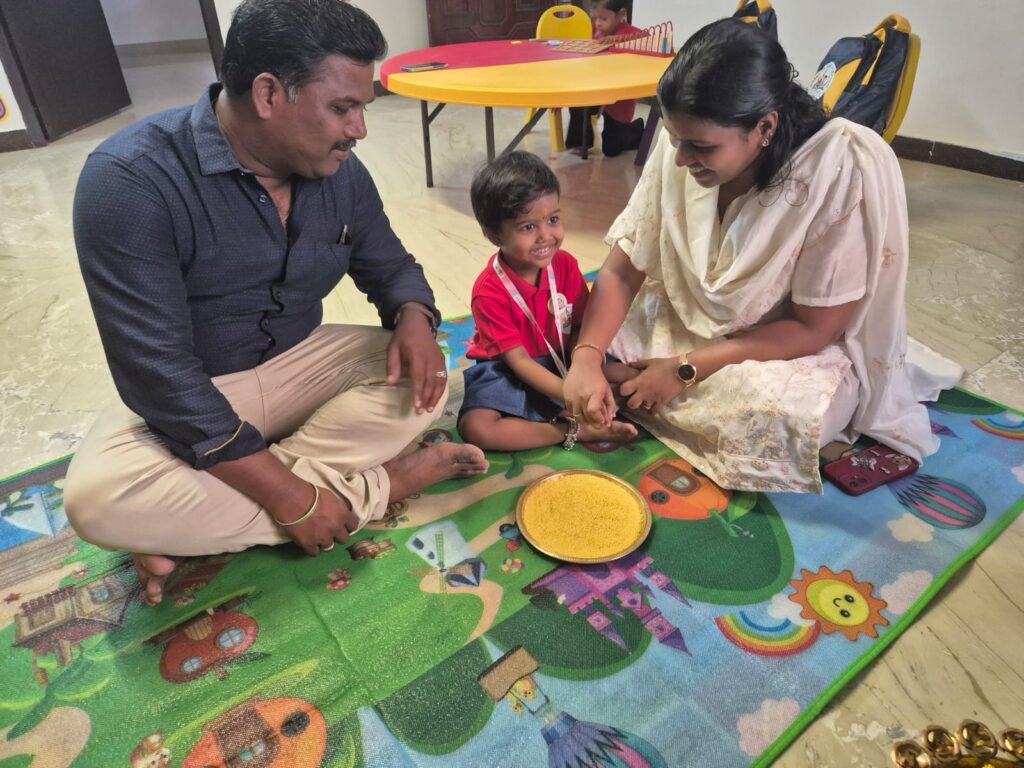
A good preschool has trained and experienced teachers who understand child psychology and provide individual attention. Friendly and approachable teachers help children feel secure and build strong emotional connections.
Infrastructure and Learning Facilities
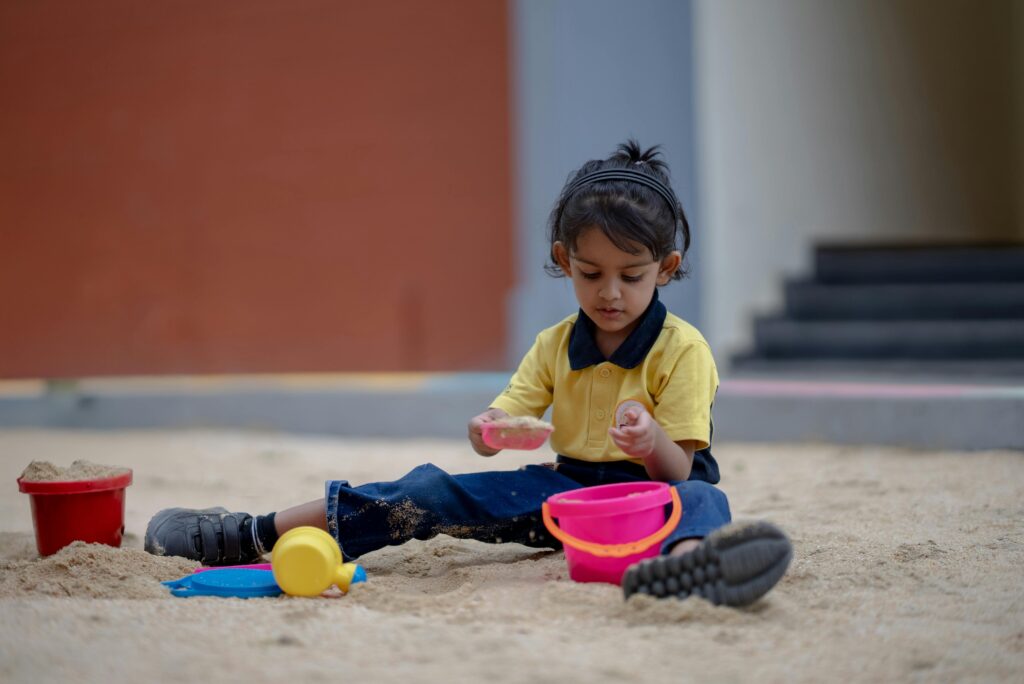
A well-designed preschool should have child-friendly infrastructure that supports both learning and play. Spacious classrooms, safe indoor and outdoor play areas, and engaging learning materials are essential.
Facilities such as activity zones, reading corners, and interactive tools make learning more enjoyable. A balanced combination of learning and play ensures overall development.
Conclusion
Choosing the right preschool is about finding a place where your child feels safe, happy, and encouraged to learn. It is not just about academics, but about building confidence, social skills, and a love for learning.
By focusing on key factors like safety, teaching methods, teacher quality, and infrastructure, parents can ensure that their child gets the best possible start in their educational journey. Taking the time to evaluate these aspects will help you make a decision that positively impacts your child’s future.
🎓 Admissions Open for 2026–27
🏫 Book a Free Preschool Tour
Visit our campus and explore classrooms, facilities and learning spaces.
Schedule a VisitFAQs
What is the right age to start preschool?
Most children start preschool between 2.5 to 3.5 years, depending on their readiness and comfort level.
How do I know if a preschool is safe for my child?
Check for security measures, trained staff, hygiene practices, and overall supervision within the school.
What type of curriculum is best for preschool children?
Play-based and activity-based learning approaches are considered the most effective for early childhood development.
How important are teachers in a preschool?
Teachers play a crucial role as they guide, support, and shape a child’s early learning and emotional development.
How can I prepare my child for preschool?
Start with small routines, talk positively about school, and gradually introduce them to new environments.